
Advantages of valve-regulated sealed lead batterie
(1) Easy to use
Valve-regulated sealed lead-acid batteries only need the working voltage for battery charging. According to the different regulations of floating charging applications and circulatory system applications, select the required working voltage for constant current source battery charging.
(2) Simple installation
Using valve-regulated sealed lead-acid batteries as the battery charging fluid, users do not need to perform the entire battery charging process. More than six months after six months, it can be charged according to the manufacturer's requirements. After charging, conduct a test battery charge and discharge test to determine whether the charge capacity of the battery meets the requirements and whether the quality is stable.
(3) Safe and reliable
The valve-regulated sealed lead-acid battery can be used in a sealed structure and can be used vertically or horizontally. There is no organic gas, non-toxic, and no dangerous substance overflow. Because the rechargeable battery uses a constant current source battery charging system, the battery has an oxygen circulation system that completes the entire process. Water damage is small, even if it is overcharged, a small amount of steam can be discharged from the valve, and the battery shell will not expand or even crack due to excessive working pressure.
(4) Save project investment
Valve-regulated sealed lead-acid batteries are not environmentally polluting machinery and equipment and the natural environment. They can be used with electronic products. They do not need to be used for the placement and maintenance of rechargeable batteries, and the maintenance work is greatly reduced. The installation of rechargeable batteries can be used to stack battery racks, which occupies a small amount and saves the investment cost of switching power supply system software projects.
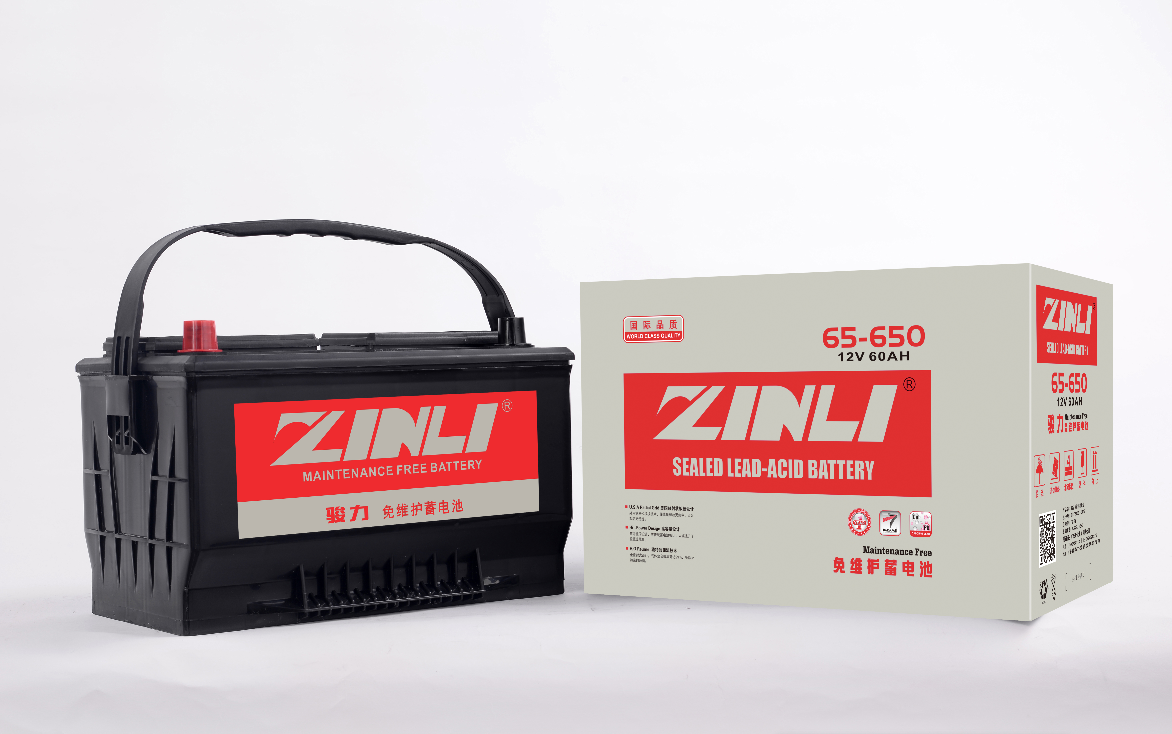
Application of valve-regulated sealed lead-acid battery
(1) Power supply for mobile
Battery charging keys for trucks, forklifts, automobiles, and railway locomotives accounted for 40% of sales in 1977.
(2) Stationary power supply
Key uses are telephone communications, UPS, security alarms, power switch operations, emergency lighting, electronic products and medical equipment, which account for 60% of sales.
 QQ
QQ